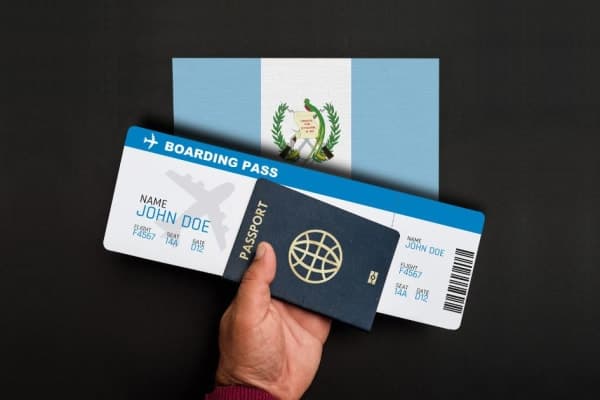
Is It Safe to Share Passport Details for a Dummy Ticket?
Sharing passport details for a flight reservation is safe when you share them with a legitimate provider that uses encrypted data transmission, creates real GDS bookings, has a published privacy policy, and is legally accountable. The danger is not in sharing the details. It is in sharing them with anonymous free generators that collect your data without making any real booking and have no accountability if your information is misused.

Sharing passport details is a standard part of booking any flight, whether it is a paid ticket or a dummy reservation for a visa application. The real question is not whether you should share these details, but who you share them with and how they handle your data.
Why Flight Reservations Require Passport Details
Every flight booking, whether paid or temporary, needs specific passenger information to create a valid PNR. This is not optional. It is how the global airline system works.
Airlines Need Your Identity for the PNR
A Passenger Name Record stores your full name, date of birth, nationality, and passport number alongside your flight details. Airlines use this data to match you to your booking at check-in, satisfy government security requirements, and transmit passenger information to border agencies before departure. Without accurate passport details, the PNR cannot be created.
Government Regulations Require Passenger Data Collection
Programs like the TSA's Secure Flight in the United States and the European Union's Advance Passenger Information directive require airlines and booking agents to collect and transmit passenger identity data before flights operate. This is a legal obligation, not a choice by the booking provider.
Embassies Verify Your PNR Against Your Passport
When a visa officer checks your flight reservation, they compare the passenger details in the PNR against your passport and application form. If the name or passport number in the booking does not match, it raises an inconsistency. Accurate passport details in the reservation are essential for your visa application to hold up under scrutiny.
What Information You Actually Need to Share
Not every piece of personal data is required for a flight reservation. Understanding what is necessary helps you avoid sharing more than needed.
Required for a Valid PNR
To create a verifiable flight reservation, the provider needs your full name as it appears on your passport, date of birth, gender, nationality, and passport number. These fields are standard across Amadeus, Sabre, Travelport, and airline-direct booking systems. Without them, the GDS cannot generate a PNR that matches the identity on your travel document.
Sometimes Required Depending on the Route
For flights to or through certain countries, additional data like your passport expiry date and country of issuance may be needed. US-bound flights require Secure Flight data including redress numbers if applicable. These are route-specific requirements, not provider preferences.
Not Required for a Dummy Ticket
A legitimate dummy ticket provider should never ask for your credit card details beyond the service payment, social media accounts, copies of your full passport pages, or biometric data. If a service requests information beyond what is needed for the PNR, that is a red flag.
Need proof of onward travel?
A real PNR you can show the embassy or the airline from USD 13, without buying a ticket you might not use.
Risks of Sharing Passport Details With the Wrong Provider
The danger is not in sharing passport details for a flight reservation. It is in sharing them with a service that has no legitimate use for them or no proper data protection.
Identity Theft Through Unregulated Services
Free dummy ticket generators often collect your full name, passport number, date of birth, and email address without making any actual booking. Since these services operate without business registration, privacy policies, or data protection compliance, your personal information may be stored insecurely, sold to third parties, or used for fraudulent purposes.
Phishing and Social Engineering Attacks
Once a fraudulent service has your passport details and email, they can craft targeted phishing emails that reference your real travel plans. These emails may impersonate airlines, embassies, or visa processing centers, tricking you into sharing additional sensitive information like bank details or visa application passwords.
Booking Manipulation
If your PNR and surname are exposed through an insecure provider, someone with that information can potentially access, modify, or cancel your reservation through the airline's public portal. While this is more relevant for paid bookings, it demonstrates why PNR data should be treated as sensitive information.
Data Harvesting for Resale
Some unregulated services collect passport data from thousands of users and sell it in bulk on dark web marketplaces. Passport details combined with dates of birth and nationalities are valuable for identity fraud, fake document creation, and financial scams. A service that offers something for free is often monetizing your data instead.
How Legitimate Providers Protect Your Data
Reputable dummy ticket services handle your passport details the same way airlines and licensed travel agencies do, with proper security measures and data handling practices.
Encrypted Payment and Data Transmission
Legitimate providers use SSL/TLS encryption for all data transmission between your browser and their servers. This means your passport details and payment information are encrypted during transit and cannot be intercepted by third parties. Look for the padlock icon in your browser's address bar before entering any personal data.
Data Used Only for the Booking Purpose
A reputable provider like Dummy Ticket 365 uses your passport details solely to create the flight reservation in the GDS. Your data is entered into the airline system to generate the PNR, not stored indefinitely, shared with advertisers, or used for unrelated purposes.
Verifiable Business Registration
Legitimate services have a registered business entity, identifiable ownership, and contactable support. This means they are legally accountable for how they handle your data. Anonymous websites with no business details, no support channels, and no privacy policy offer zero accountability if your data is misused.
Compliance With Data Protection Regulations
Providers operating in regulated markets are subject to data protection laws like the EU's General Data Protection Regulation (GDPR), the UK's Data Protection Act, and similar frameworks. These laws require businesses to protect personal data, limit its use to stated purposes, and delete it when no longer needed. Ask the provider about their data handling practices before sharing your details.
How to Verify a Provider Before Sharing Your Details
These checks take minutes and can prevent serious data security problems.
Check for a Privacy Policy
Every legitimate service should have a published privacy policy that explains what data they collect, how they use it, how long they store it, and whether they share it with third parties. If there is no privacy policy on the website, do not share your passport details.
Look for Independent Reviews
Search the provider's name on Trustpilot, Google Reviews, or other independent platforms. Genuine customer reviews from verified visa applicants confirm that the service delivers real bookings and handles data responsibly. A provider with no reviews and no verifiable history should be treated with caution.
Confirm the Booking Is Made Through a Real GDS
Ask the provider whether your reservation is created through Amadeus, Sabre, or Travelport. A real GDS booking means your data is processed through the same systems that airlines and licensed travel agencies use globally. These systems have their own security standards and data handling protocols that embassies verify through when checking your PNR.
Verify Secure Payment Options
Legitimate providers offer payment through recognized processors like Stripe, PayPal, or secure card gateways. If the only payment option is a direct bank transfer to a personal account, cryptocurrency with no refund mechanism, or an unrecognized payment platform, your financial and personal data may not be protected.
Test the Support Channel Before Booking
Send a message to the provider's support email or chat before sharing any personal details. A real business responds with helpful information. An unresponsive or non-existent support channel tells you everything about how they will handle your data and what happens if something goes wrong.
What About Sharing Details With Airlines Directly?
Airlines collect the same passport details for every booking, and their data handling is governed by aviation regulations and national data protection laws.
Airlines Are Regulated Data Controllers
Airlines operating internationally are subject to IATA standards, national aviation authority regulations, and data protection laws in every country they serve. They have dedicated data protection teams, published privacy policies, and legal obligations to secure passenger data.
Airline Holds Require the Same Information
If you book a temporary hold directly through an airline instead of a dummy ticket provider, you share the exact same passport details. The data flows through the same GDS and airline systems. The only difference is pricing and validity period, not the type of data collected.
Data Breaches Can Happen Anywhere
Even major airlines have experienced data breaches. British Airways was fined £20 million by the UK's Information Commissioner's Office for a 2018 breach affecting 400,000 customers. No system is completely immune, but regulated entities face legal consequences for failures, which creates accountability that anonymous free services simply do not have.
Conclusion
Sharing passport details for a flight reservation is safe when you share them with a legitimate, identifiable provider that uses encrypted data transmission, creates real GDS bookings, has a published privacy policy, and is legally accountable for data handling. It is not safe when you share them with anonymous websites, free generators, or services with no verifiable business presence.
At Dummy Ticket 365, your passport details are used solely to create your flight reservation through a real GDS. Every booking generates a live PNR that embassies can verify, and your data is handled with the same standards applied by airlines and licensed travel agencies worldwide. Get your verifiable dummy ticket and share your details with confidence.
Frequently Asked Questions
Written by
Ammar Afridi
Marketing Executive
Ammar Afridi has spent four years preparing travel and visa documentation for UAE residents, working on Schengen, UK, US and Canada files and handling more than 2,000 applications.
Dummy ticket
From USD 13
A real flight reservation with a verifiable PNR, delivered by email in minutes.
Get your ticket