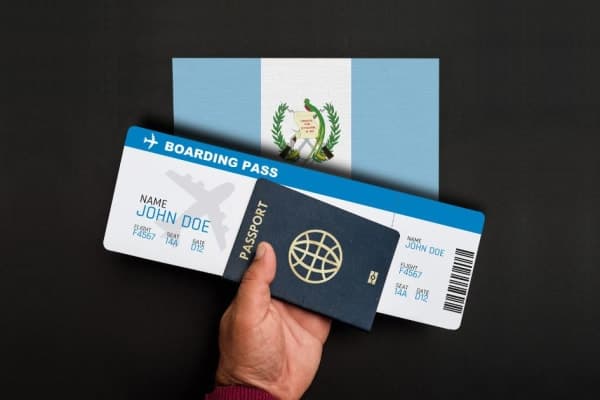
What Documents Prove Onward Travel to Immigration?
The most accepted documents for proving onward travel are a return flight ticket, a verifiable dummy ticket with a live PNR, a refundable flight ticket, or a bus and train ticket to a neighboring country. For visa applications, a dummy ticket with a real GDS-created PNR is the safest and most cost-effective option for most travelers.

Many countries require you to prove that you plan to leave before your visa or permitted stay expires. Without the right documentation, you could be denied boarding at the airline counter or turned away at the immigration desk.
Here are the documents that work, why they are required, and how to choose the right one for your situation.
Why Do Countries Require Proof of Onward Travel?
Immigration authorities use this requirement to verify that visitors have a genuine plan to exit the country within their permitted stay. It is one of the most common checks at borders, visa appointments, and airline counters worldwide.
Preventing Unauthorized Overstays
Countries want assurance that tourists and short-term visitors will not stay beyond their visa duration. Proof of onward travel shows immigration officers that you have a scheduled departure, reducing the risk of overstay on a tourist or short-term visa.
Airline Liability and Enforcement
Many governments pass the enforcement responsibility directly to airlines. If a passenger is denied entry at immigration for lacking documentation, the airline is responsible for flying them back at no cost to the passenger. This is why airline staff often check onward travel proof before boarding.
Visa Application Compliance
For visa applicants, proof of onward travel is typically a mandatory document in the application package. The EU Visa Code, Article 14(1), specifically requires evidence of travel plans for Schengen visa applications. Similar requirements exist for UK, US, Canada, and Australia visa categories.
Which Countries Ask for Proof of Onward Travel?
The requirement is not universal, but a significant number of popular travel destinations enforce it. Some countries are strict at every checkpoint, others check randomly depending on the officer.
Europe (Schengen Area)
All 29 Schengen member states require proof of onward travel as part of the short-stay visa application. Consulates expect a round-trip flight reservation showing entry and exit from the Schengen zone. This is checked during the visa review and sometimes again at the border.
United States and Canada
US Customs and Border Protection officers may ask for proof of onward travel, especially for travelers entering under the Visa Waiver Program (ESTA). Canada requires a flight itinerary as a standard part of visitor visa applications and may request it upon arrival.
United Kingdom
The UK requires most visitor visa applicants to demonstrate they are genuine visitors with plans to leave. Evidence of onward travel is one of the accepted ways to prove this. Immigration officers at UK borders may also request it on arrival, particularly for travelers on one-way tickets.
Central and South America
Costa Rica and Panama are known for strict enforcement, especially at land borders and airline counters. Colombia, Brazil, and Peru also regularly ask for proof, with Bogota being particularly well-known for checking at both check-in and immigration.
Southeast Asia and Oceania
Thailand, Philippines, Indonesia, Singapore, and Malaysia frequently request onward travel proof from visitors, particularly those arriving on one-way tickets. Australia and New Zealand require verifiable proof for visa applications and may check again at the border.
East Asia
Japan and South Korea may request proof of onward travel during visa processing or upon arrival. Requirements vary by visa type and nationality, so checking the embassy website before applying is essential.
Need proof of onward travel?
A real PNR you can show the embassy or the airline from USD 13, without buying a ticket you might not use.
Documents That Qualify as Proof of Onward Travel
Several types of documents satisfy this requirement. The best choice depends on your visa status, budget, travel style, and which country you are entering.
Return Flight Ticket
A confirmed round-trip ticket is the most straightforward proof of onward travel. It shows a clear departure date and is instantly verifiable by any airline or immigration officer. The downside is cost and commitment, especially if your visa has not been approved yet or your travel dates are not finalized.
Dummy Flight Ticket With a Valid PNR
A verifiable dummy ticket is the most practical option for travelers who do not want to buy an expensive flight before visa approval. It includes real airline details and a PNR that immigration officers and embassy staff can verify through GDS platforms like Amadeus, Sabre, or Travelport.
If you have ever seen a dummy ticket not showing on the airline website, that is normal because embassies verify through GDS, not the airline's public portal.
Refundable Flight Ticket
A fully paid refundable ticket works as proof and can be cancelled after you clear immigration or receive your visa. However, refundable fares typically cost 2 to 5 times more than standard economy tickets, and refund processing can take 7 to 30 business days depending on the airline.
Bus or Train Ticket to a Neighboring Country
Overland travelers in Central America, Southeast Asia, and parts of Europe can use a bus or train ticket showing departure to a neighboring country. Costa Rica, for example, accepts return bus tickets on carriers like TicaBus. This is a budget-friendly option for backpackers and regional travelers.
Ferry or Cruise Booking
For island destinations or coastal travel, a ferry reservation or cruise booking showing your departure qualifies as proof. This is commonly used in the Caribbean, Southeast Asia, Greek islands, and parts of Scandinavia.
Travel Itinerary From a Licensed Travel Agency
A detailed itinerary from a licensed agency that includes booking references, travel dates, and agency contact details can support your case. This is less commonly accepted as standalone proof but works well when paired with a flight reservation or dummy ticket.
What Immigration Officers Actually Check
Knowing what officers look for helps you prepare the right documents and avoid unnecessary problems at the border or during your visa interview.
A Clear Exit Date Within Your Visa Period
The document must show when you plan to leave the country. This date needs to fall within your visa validity or permitted stay. If your visa allows 30 days but your return ticket is 90 days later, the officer will flag the inconsistency immediately.
Name and Passport Details That Match Exactly
The name on your onward travel document must be identical to your passport. Even a small mismatch, like a missing middle name or a different spelling, can lead to additional questioning. Officers compare your proof against your passport, visa, and boarding pass.
A Booking Reference They Can Verify
Immigration officers can check PNR codes against airline and GDS systems. A booking reference that does not exist anywhere will be treated as fraudulent, which can lead to visa rejection or denial of entry. Always use documents with real, verifiable booking codes.
Consistency Across All Your Travel Documents
Officers look at your onward travel proof alongside your visa dates, hotel booking, and travel insurance. All dates and details should tell the same story. If your hotel booking ends on March 20 but your flight departs on April 5, that gap will raise questions.
Best Option for Visa Applicants
If you are applying for a visa before travel, you need proof of onward travel as part of your application package. Here is what works best depending on the visa type.
Schengen Visa Applications
The EU Visa Code permits flight reservations rather than paid tickets. A verifiable dummy ticket for Schengen visa applications is the standard approach used by thousands of travelers. Consulates across Europe routinely verify GDS-created reservations and accept them without issue.
UK Visa Applications
UKVI accepts verifiable flight reservations as proof of travel intent for visitor, student, and family visas. A dummy ticket for UK visa applications provides the necessary documentation without the financial risk of buying a full ticket before approval.
US, Canada, and Australia Visa Applications
These countries accept flight reservations as part of the visa application package. A dummy ticket with a valid PNR satisfies the requirement across tourist, business, and student visa categories. The US embassy even advises applicants not to purchase tickets before visa approval.
General Visa Applications Worldwide
For most other countries, a verifiable dummy ticket meets the onward travel requirement at a fraction of the cost of a real ticket. The key is ensuring the PNR is live and the details match your passport and application form exactly.
Best Option for Travelers at the Airport
If you are traveling on a one-way ticket and need proof at the airline counter or immigration desk, your situation is more time-sensitive. Here is how to handle it.
Before You Get to the Airport
The safest approach is booking a dummy ticket or a cheap one-way flight to a neighboring country before you leave for the airport. Last-minute scrambling at the check-in counter is stressful, expensive, and sometimes not even possible if you do not have internet access.
At the Airline Counter
Airline staff are often the first to ask for proof. If you do not have it, they may refuse boarding or ask you to purchase a return ticket on the spot at a much higher price. Having a verifiable dummy ticket ready on your phone or as a printout avoids this entirely.
At the Immigration Desk
Immigration officers may ask to see proof of onward travel after you land. Some countries check every arriving passenger, others check randomly. Carrying both a printed copy and a digital version on your phone ensures you are covered regardless of the situation.
Common Mistakes to Avoid
These are the errors that cause the most problems at borders and visa appointments.
Using a Fake or Unverifiable Ticket
Free ticket generators produce PDFs with fabricated booking codes that do not exist in any airline or GDS system. Submitting these to an embassy or showing them to immigration is treated as fraud. Always use documents with real, checkable PNR codes.
Letting Your Reservation Expire Before the Check
Dummy tickets and airline holds have validity windows. If your reservation expires before the embassy reviews your file or before you reach immigration, the PNR will show as cancelled. Time your booking so it remains active through every checkpoint.
Mismatched Dates or Details
Your onward travel dates should align with your visa, hotel booking, and insurance. Your name should match your passport exactly. Inconsistencies across documents are one of the fastest ways to trigger additional scrutiny or a denial.
Relying Only on a Digital Copy
While most officers accept digital documents, some prefer or require printed copies. Always carry a hard copy alongside the digital version. Having both means you are prepared for any officer's preference.
Conclusion
Proof of onward travel is a standard requirement across dozens of countries, enforced by embassies during visa applications and by airlines and immigration officers at borders. The safest and most cost-effective document for most travelers is a verifiable dummy ticket with a live PNR, backed by a return flight ticket or an alternative exit document if your situation requires it.
Whether you are applying for a visa or heading to the airport on a one-way ticket, get your verifiable dummy ticket at Dummy Ticket 365. Every reservation is created through a real GDS with a live PNR that immigration officers and embassy staff can verify instantly.
Frequently Asked Questions
Written by
Ammar Afridi
Marketing Executive
Ammar Afridi has spent four years preparing travel and visa documentation for UAE residents, working on Schengen, UK, US and Canada files and handling more than 2,000 applications.
Onward ticket
From USD 13
A real flight reservation with a verifiable PNR, delivered by email in minutes.
Get your ticket