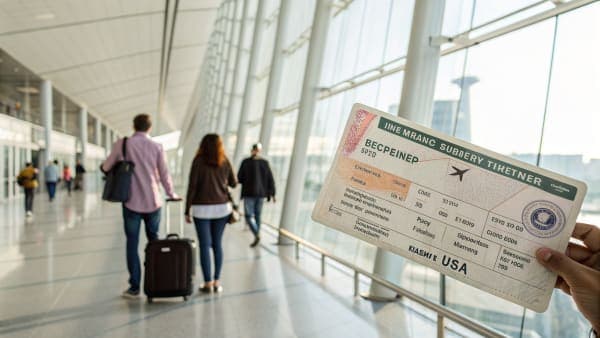
What Happens If You Submit a Fake Flight Ticket?
Submitting a fake flight ticket for a visa leads to immediate rejection, a fraud record in the Visa Information System shared across all 29 Schengen states, loss of your application fee, and potential travel bans. Embassies verify PNR codes through GDS platforms like Amadeus and Sabre in seconds. A fake PNR that does not exist in any system is flagged instantly. The consequences can follow you for years across multiple countries.
Submitting a fake flight ticket with your visa application is one of the most consequential mistakes a traveler can make. It does not just result in a denied visa. It can trigger a chain of consequences that follows you across borders, embassies, and future applications for years.
Here is exactly what happens when embassies detect a fraudulent flight document and why the risk is never worth taking.
How Embassies Detect Fake Flight Tickets
Consular officers are trained to spot fraudulent documents and have professional tools that make verification fast and reliable. A fake ticket rarely survives the process.
GDS and Airline System Checks
Embassy staff verify PNR codes through GDS platforms like Amadeus, Sabre, and Travelport. They enter the booking code and passenger surname, and the system either returns a valid reservation or nothing at all. A fake PNR that does not exist in any system is flagged within seconds. Read more about how a GDS system works and why it matters for visa applications.
Template Recognition From Repeated Submissions
Free ticket generators use a limited number of document templates that get submitted by thousands of applicants. VFS staff and consular officers who process hundreds of files weekly recognize these recycled formats on sight. A document that matches a known fake template immediately raises a red flag.
Inconsistencies With Supporting Documents
Officers cross-reference your flight ticket against your passport, application form, hotel booking, and travel insurance. A fake ticket often contains details that do not align with the rest of the file, such as incorrect airport codes, implausible flight times, or routing that does not match the stated purpose of travel.
AI-Assisted Document Screening
Many embassies and visa processing centers have introduced automated document screening tools that flag anomalies in submitted files. These systems can detect formatting inconsistencies, mismatched fonts, and PNR patterns that are characteristic of generator-produced documents.
Immediate Consequences of Submitting a Fake Ticket
The moment a consular officer confirms your flight document is fraudulent, several things happen in quick succession.
Your Visa Application Is Rejected
This is the guaranteed outcome. A fake flight ticket is treated as a failure to meet basic application requirements. The rejection is not based on a technicality. It is based on the submission of a document that does not represent a real booking in any airline or GDS system.
The Rejection Is Recorded on Your File
Your visa refusal and the reason for it are logged in the embassy's system. For Schengen applications, this information is entered into the Visa Information System (VIS), a database shared across all 29 Schengen member states. Every future application you make to any Schengen country will show this record.
Your Application Fee Is Not Refunded
Schengen visa application fees are non-refundable regardless of the outcome. A rejection due to a fake document means you lose the entire fee, typically around $90, with no possibility of recovery. The same applies to service fees paid to VFS Global or TLScontact.
Your Appointment Slot Is Wasted
During peak seasons, visa appointment slots can take weeks or months to secure. A rejection means you lose your slot and must start the booking process over again, often facing even longer wait times for a new appointment.
Need proof of onward travel?
A real PNR you can show the embassy or the airline from USD 13, without buying a ticket you might not use.
Long-Term Consequences That Follow You
The impact of a fake flight ticket extends far beyond a single denied application. The ripple effects can last for years.
Schengen-Wide Data Sharing Through VIS
The Visa Information System stores applicant data including biometrics, application history, and reasons for refusal for up to five years. All 29 Schengen consulates access this database. A fraud-related rejection at the French embassy will be visible to the German, Italian, Spanish, and every other Schengen consulate when you apply again.
Increased Scrutiny on All Future Applications
Even after the VIS record expires, a history of document fraud means every future application faces heightened scrutiny. Officers reviewing your file will see the previous rejection and apply a higher standard of verification to every document you submit. What was once a routine process becomes significantly harder.
Potential Multi-Year Travel Bans
Some countries impose formal entry bans on applicants found to have submitted fraudulent documents. The duration varies by country and severity, ranging from one year to a permanent ban in extreme cases. These bans can also extend to countries that share immigration data with the issuing nation.
Criminal Liability in Certain Jurisdictions
In some countries, submitting falsified documents to a government authority is a criminal offense. While prosecution for a fake flight ticket is rare, the legal framework exists and has been enforced in certain cases. The risk of criminal liability is one more reason why this shortcut is never worth taking.
Fake Ticket vs Dummy Ticket: The Critical Difference
Many travelers confuse these two terms, but they represent completely different documents with completely different outcomes.
What Makes a Ticket Fake
A fake ticket is a document created without any actual reservation in an airline or GDS system. It may be a Photoshop edit of a real ticket, a PDF from a free generator with a fabricated PNR, or a manually created document using airline templates. The defining characteristic is that no booking exists behind it. Read more about why free dummy tickets are dangerous for visa applications.
What Makes a Dummy Ticket Legitimate
A legitimate dummy ticket is a real reservation created through a GDS by a licensed travel agent or authorized provider. It generates a live PNR stored in Amadeus, Sabre, or Travelport that can be verified by any embassy, airline, or border officer. It is a temporary, unpaid booking, but it is a real one.
The Verification Test
The difference comes down to one question: does the PNR exist in an airline or GDS system? If yes, the document is legitimate. If not, it is fake. There is no middle ground. A provider like Dummy Ticket 365 creates reservations through real GDS platforms, ensuring every PNR passes this test.
Why People Use Fake Tickets and Why Every Reason Fails
Understanding the motivations helps explain why this shortcut remains popular despite the severe consequences.
Trying to Save Money
Visa applications involve multiple fees, and some applicants look for any way to cut costs. But a legitimate dummy ticket costs $5 to $30, which is the smallest expense in the entire application. Saving that amount by using a fake ticket risks losing the $90 or more application fee, months of preparation, and future travel opportunities.
Not Understanding the Verification Process
Some applicants genuinely do not know that embassies verify PNR codes through GDS systems. They assume the document is just a visual requirement that no one checks. This assumption is wrong. Embassies have the tools and the training to verify reservations in seconds.
Trusting Free Generator Websites
Free dummy ticket generators present themselves with professional layouts, airline logos, and fake trust badges. First-time applicants who do not know how the system works can easily mistake these for legitimate services. The document looks real, which creates a false sense of security until the embassy checks the PNR.
Believing Embassies Are Too Busy to Check
While it is true that not every PNR gets verified, the assumption that yours will not be checked is a gamble with severe downside. The cost of being wrong is a rejected visa, a fraud record in VIS, and years of complications. The cost of using a real dummy ticket is $13.
How to Protect Your Visa Application
Avoiding fake documents is straightforward when you understand what embassies actually require.
Use a Provider That Books Through a Real GDS
A GDS-created reservation with a live PNR is the only type of flight document that passes every verification method. Whether the embassy checks through Amadeus, calls the airline, or uses automated screening, a real booking holds up. Dummy Ticket 365 issues reservations through recognized airline systems for this exact reason.
Verify the PNR Before Submitting
After receiving your dummy ticket, check the PNR yourself by calling the airline or using the airline's Manage Booking page. If the booking appears, your document is genuine. If you encounter issues with airline website display, read about why GDS reservations may not appear on the airline website and how it differs from a fake ticket.
Match All Details to Your Passport
Your name, dates, and route on the flight document must be identical to your passport and application form. Even a legitimate reservation with mismatched details can cause visa rejection. Double-check everything before submission.
Choose the Right Document for Your Visa Type
For Schengen visa applications, the EU Visa Code permits flight reservations instead of paid tickets. For UK visa applications, UKVI accepts verifiable reservations as proof of travel intent. Knowing what your specific embassy accepts helps you submit the right document without unnecessary risk or expense.
Conclusion
Submitting a fake flight ticket is not a shortcut. It is a direct path to visa rejection, a fraud record shared across embassies, potential travel bans, and years of increased scrutiny on every future application. The entire risk exists because the document has no real booking behind it, something embassies can confirm in seconds through GDS access.
A legitimate dummy ticket from Dummy Ticket 365 costs as little as $13 and gives you a real GDS-created reservation that passes every check. It is the smallest expense in your entire application and the one that protects everything else. Get your verifiable dummy ticket and submit your visa application with confidence.
Frequently Asked Questions
Written by
Ammar Afridi
Marketing Executive
Ammar Afridi has spent four years preparing travel and visa documentation for UAE residents, working on Schengen, UK, US and Canada files and handling more than 2,000 applications.
Dummy ticket
From USD 13
A real flight reservation with a verifiable PNR, delivered by email in minutes.
Get your ticket