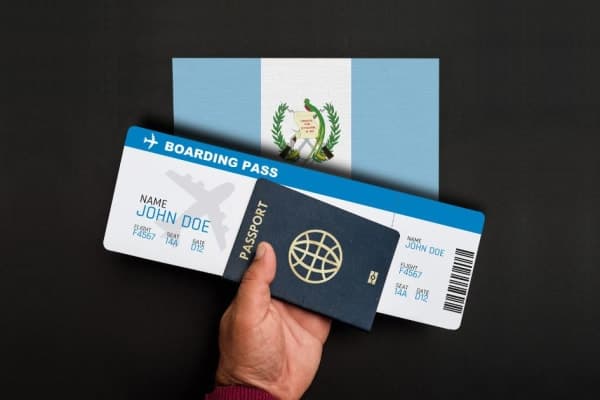
What Is a Flight Itinerary for a Schengen Visa?
A flight itinerary for a Schengen visa is a temporary flight reservation showing your planned entry and exit from the Schengen Area. It does not need to be a paid ticket. Under Article 14(1) of the EU Visa Code, consulates accept reservations instead of fully paid bookings. It must include your passenger name, flight numbers, travel dates, route, and a verifiable PNR code.
A flight itinerary is one of the mandatory documents in every Schengen visa application, yet it is also one of the most misunderstood. Many applicants confuse it with a paid ticket, overspend on confirmed bookings, or submit documents that do not meet consulate requirements.
Here is everything you need to know about what it is, what it must contain, and how to get one without financial risk.
Flight Itinerary vs Flight Ticket: What Is the Difference?
These terms are used interchangeably online, but they are not the same thing. Understanding the distinction between a dummy ticket and a refundable ticket saves you money and prevents submission errors.
What a Flight Itinerary Is
A flight itinerary is a document that shows your planned travel details for entering and exiting the Schengen Area. It includes airline name, flight numbers, departure and arrival airports, dates, passenger name, and a booking reference or PNR. It does not require full payment.
What a Flight Ticket Is
A flight ticket is a fully paid, confirmed booking with an issued e-ticket number. It guarantees you a seat on the plane and allows you to check in and board. It costs significantly more than a reservation and carries financial risk if your visa is denied.
What Schengen Consulates Actually Require
Under Article 14(1) of the EU Visa Code (Regulation EC No 810/2009), consulates may require documents showing the purpose of your journey and your intention to leave. The European Commission has clarified that demanding paid tickets would be disproportionate. A flight reservation or itinerary is sufficient.
What Details Must a Schengen Flight Itinerary Include?
Consulates look for specific information on your flight itinerary. Missing any of these details can delay your application or trigger a request for additional documents.
Passenger Name Matching Your Passport
Your name on the itinerary must be identical to your passport, including middle names and correct spelling. Visa officers cross-reference this against your application form, insurance, and hotel booking.
Departure and Arrival Airports With IATA Codes
The itinerary must show the full route including origin airport, destination airport, and any connecting airports. IATA codes like CDG for Paris Charles de Gaulle or FRA for Frankfurt should be clearly listed.
Travel Dates Showing Entry and Exit
Consulates need to see when you enter and when you leave the Schengen Area. These dates determine your visa validity period. They must align with your hotel booking, travel insurance, and the dates on your application form.
Airline Name and Flight Numbers
The itinerary should show the operating airline and specific flight numbers for each segment. This allows the consulate to verify that the flights exist and the routing makes sense for your stated travel purpose.
A Valid Booking Reference or PNR
A six-character PNR is what makes your itinerary verifiable. Consulates can check this code through GDS platforms like Amadeus, Sabre, or Travelport to confirm the reservation exists. Without a valid PNR, the document is just a PDF with no backing in any airline system.
Need proof of onward travel?
A real PNR you can show the embassy or the airline from USD 13, without buying a ticket you might not use.
Why You Should Not Buy a Full Ticket Before Visa Approval
Many first-time applicants make the mistake of purchasing expensive flights before knowing whether their visa will be approved. This is unnecessary and risky.
Visa Denial Means Lost Money
Schengen visa rejection rates vary by country and nationality, and some applicants face significant denial rates. A non-refundable ticket on a denied application means hundreds or thousands of dollars lost with no recourse. Most airlines do not consider visa refusal a valid reason for a refund.
Embassies Explicitly Advise Against It
Multiple Schengen consulates, including those of France, Germany, the Netherlands, and Norway, state on their official websites that applicants should not purchase tickets before receiving a visa decision. They accept reservations precisely to protect applicants from financial loss.
Refundable Tickets Are Expensive
Refundable economy fares to Europe typically cost 2 to 5 times more than standard tickets. You would be paying a premium just to meet a requirement that a $13 dummy ticket can fulfill. The refund process also takes 7 to 30 business days, tying up your funds during that time.
How to Get a Flight Itinerary for a Schengen Visa
There are several ways to obtain a valid flight itinerary without buying a full ticket. Each has its own trade-offs in cost, validity, and reliability.
Dummy Ticket With a Verifiable PNR
This is the most popular option among experienced Schengen visa applicants. A dummy ticket for Schengen visa applications from a reputable provider creates a real reservation in an airline GDS with a live, checkable PNR. It costs between $5 and $30 and is delivered via email within minutes.
Airline Hold or Reservation
Some airlines allow you to hold a reservation for 24 to 72 hours without payment. Emirates, Turkish Airlines, and Lufthansa offer this on certain routes. The limitation is the short validity window, which may not last through your visa appointment.
Travel Agency Booking
Traditional travel agencies can hold reservations for up to 7 days using their GDS access. They typically charge around 10 percent of the ticket price for this service. This works well if you have a trusted local agency.
Refundable Ticket
A fully paid refundable ticket works but comes at a significantly higher cost. This option makes sense only if your travel dates are confirmed and you have a strong visa approval history.
Common Mistakes Applicants Make With Their Flight Itinerary
These errors are responsible for most itinerary-related problems during Schengen visa processing.
Submitting a One-Way Itinerary
Schengen consulates expect a round-trip reservation showing both entry into and exit from the Schengen Area. A one-way itinerary suggests you may not plan to leave, which raises overstay concerns. Always book a return leg unless you have documented proof of alternative exit.
Dates That Do Not Match Other Documents
Your itinerary dates must align with your hotel booking, travel insurance, and application form. If your flight arrives on March 10 but your hotel starts on March 12, the officer will notice the gap. Consistency across all documents is critical.
Using a Fake Ticket Generator
Free online generators create PDFs with fabricated PNR codes that do not exist in any airline or GDS system. If the consulate checks the PNR and finds nothing, your application loses credibility. This can cause visa rejection and may affect future applications across all 29 Schengen states.
Letting the Reservation Expire Before Review
Most reservations have a limited validity window. If your PNR expires before the consulate reviews your file, the booking shows as cancelled. Time your reservation so it remains active through the processing period, or choose a provider like Dummy Ticket 365 that offers extended validity or easy reissues.
Overcomplicated Multi-City Routes
If your stated purpose is a business meeting in Berlin, an itinerary routing through five countries with multiple layovers looks suspicious. Keep the route logical and consistent with your cover letter and invitation documents.
How Consulates Verify Your Flight Itinerary
Knowing the verification process helps you understand why a real PNR matters and why fake documents fail.
GDS System Checks
Consulate staff access GDS platforms like Amadeus, Sabre, and Travelport to pull up your booking using the PNR and passenger surname. If the reservation exists, it shows passenger name, flight details, dates, and booking status. This is the primary verification method across all Schengen embassies.
Airline Website Verification
Some officers check the PNR on the airline's public Manage Booking page. However, many airlines do not display reservations made through third-party GDS on their consumer portal. If your PNR does not show on the airline website, it does not mean the booking is fake. Read more about why that happens and why it is not a problem.
Cross-Referencing With Other Documents
Officers compare your itinerary against your entire application package. The flight dates should match your hotel booking, insurance coverage period, leave letter from your employer, and the dates entered on your visa application form. A fully consistent set of documents signals a well-planned and genuine trip.
Conclusion
A flight itinerary for a Schengen visa is a temporary flight reservation that shows your planned entry and exit from the Schengen Area. It does not need to be a paid ticket. The EU Visa Code permits reservations, and most consulates actively advise against buying tickets before approval.
A verifiable dummy ticket from Dummy Ticket 365 gives you everything a Schengen consulate needs to see. Real airline details, a live GDS-created PNR, and dates you can align with your hotel and insurance. All of it delivered to your inbox in minutes. Get your dummy ticket for Schengen visa and submit your application without the financial risk of buying a full ticket before approval.
Frequently Asked Questions
Written by
Ammar Afridi
Marketing Executive
Ammar Afridi has spent four years preparing travel and visa documentation for UAE residents, working on Schengen, UK, US and Canada files and handling more than 2,000 applications.
Dummy ticket for Schengen visa
From USD 13
A real flight reservation with a verifiable PNR, delivered by email in minutes.
Get your ticket